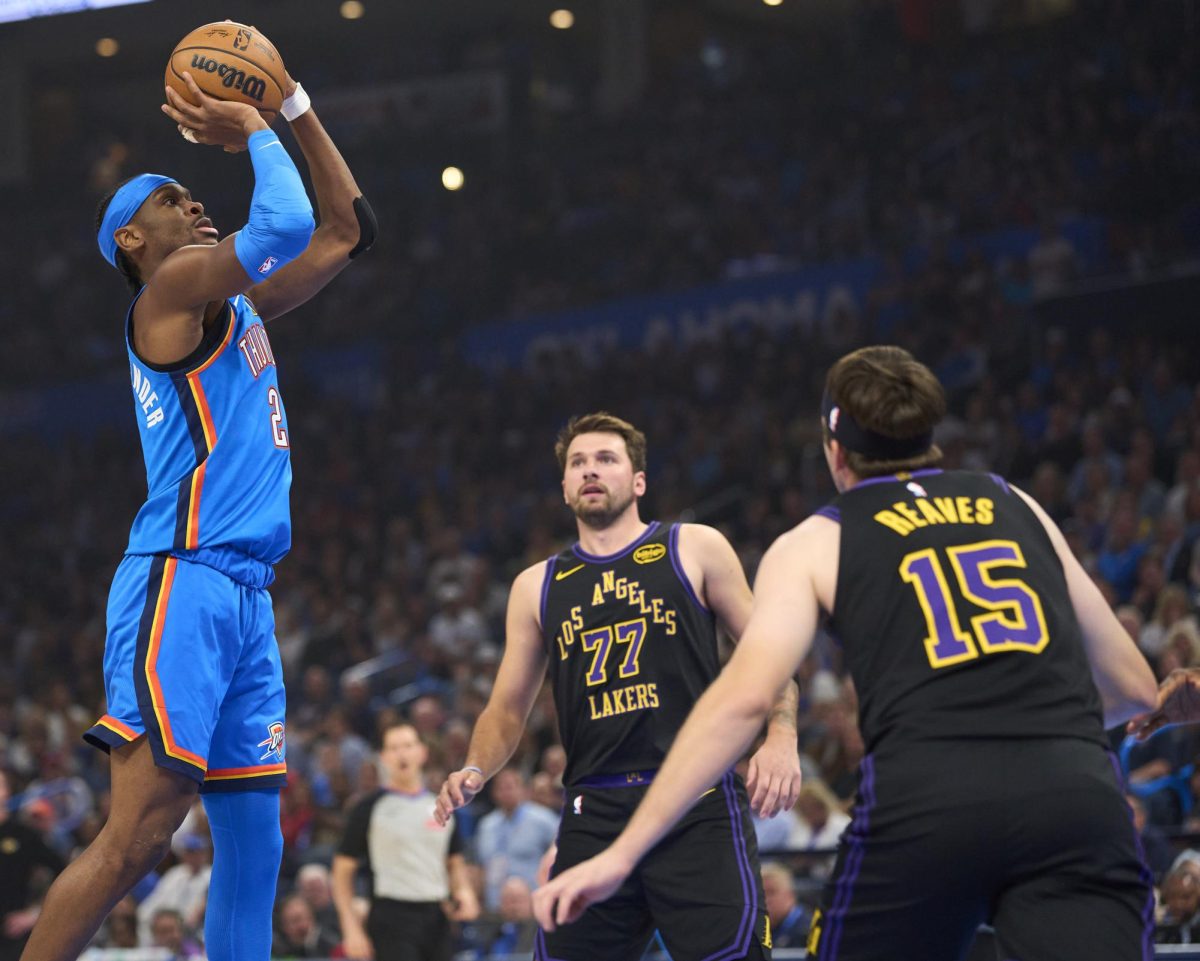

The NBA has never been bigger, from global stars like Giannis Antetokounmpo and Luka Doncic, to billion-dollar TV deals and non-stop social media attention. The league is thriving, and that success comes with a clear next step: expansion, not just to add teams, but to strengthen and grow the business and reach new markets. Right now, the NBA has 30 teams, a number that has not changed since 2004, with the addition of the Charlotte Bobcats (now called the Hornets).
In that time, the town pool has grown significantly, and there are more skilled players than ever. Roster spots remain limited; expansion would create opportunities for more players while also redistributing talent across the league. Instead of stacked rosters or role players buried on the bench or sent to the G League, new teams would spread out that death, making the league more competitive and unpredictable.
From a business perspective, expansion makes sense. New franchises will likely cost billions upon billions of dollars and require collateral, along with expansion fees, but for current owners, new teams also bring new fan bases, local TV deals, sponsorships, and merchandise markets. The NBA has already proven it can succeed globally; now, it is about maximizing untapped cities. Two cities stand out immediately: Seattle and Las Vegas.
Seattle is unfinished business. The SuperSonics left in 2008, but the fanbase never disappeared. With a new arena already in place and a strong basketball history, Seattle is ready. Bringing a team back would not just contribute to expansion; it would also strengthen the team. It would give back to a team that produced one of the league’s most loyal fan bases.
While Seattle is emblematic of the past, Las Vegas is a symbol of the future. Through the In-Season Tournament and Summer League, the NBA has already established a dominant presence there. As a global entertainment hub with built-in tourism and visibility, Vegas offers something special. An NBA team in Vegas seems inevitable, given that other leagues have already found success there. One major concern for Vegas, however, is the gambling aspect; in the past two years, the NBA has experienced betting scandals involving players that have rocked the league to its core. There will be a morality question putting 15-star athletes in Sin City.
The league must also modify its organizational structure to facilitate buildout. If the NBA grows according to the aforementioned plan, there will be 17 teams in the West and 15 in the East. The league would become unbalanced if Seattle and Las Vegas joined the Western Conference. One Western team would have to relocate to the Eastern Conference in order to address it. The Minnesota Timberwolves, New Orleans Pelicans, or Memphis Grizzlies are the most sensible options given their proximity to Eastern Conference teams.

The expansion draft—how new teams assemble rosters—is another essential component. A protected player system is expected to be used by the NBA, aligning with previous trends. A set number of players, typically seven or eight, will be protected by each current team. These are the key players that a team seeks to retain. The new expansion teams can choose any players who are not protected.
Thus, this system requires tough choices. Teams have to decide whether to safeguard important role players, veterans, or new talent. While rebuilding teams might lose players who are still developing, strong clubs risk losing depth. This draft is crucial for the expansion teams. Instead of having to start from scratch, it provides them with a base of NBA-ready players, enabling them to compete more quickly. The league’s future can be shaped by a properly handled expansion draft. It provides new franchises a true identity from the beginning, redistributes talent, and develops fresh narratives. Some worry that growth might dilute talent or complicate scheduling.
But the league is deeper than ever, and changes are possible. By distributing talent more fairly, expansion would increase the NBA’s level of competition.
The NBA, at the end of the day, is about progress. The audience has increased globally, the business has expanded, and the game has evolved. The next natural step is expansion. We’ve seen it work in the past; now it’s time to introduce basketball to new (and old!) locations, establish new rivalries, and welcome a new generation of players and supporters.