
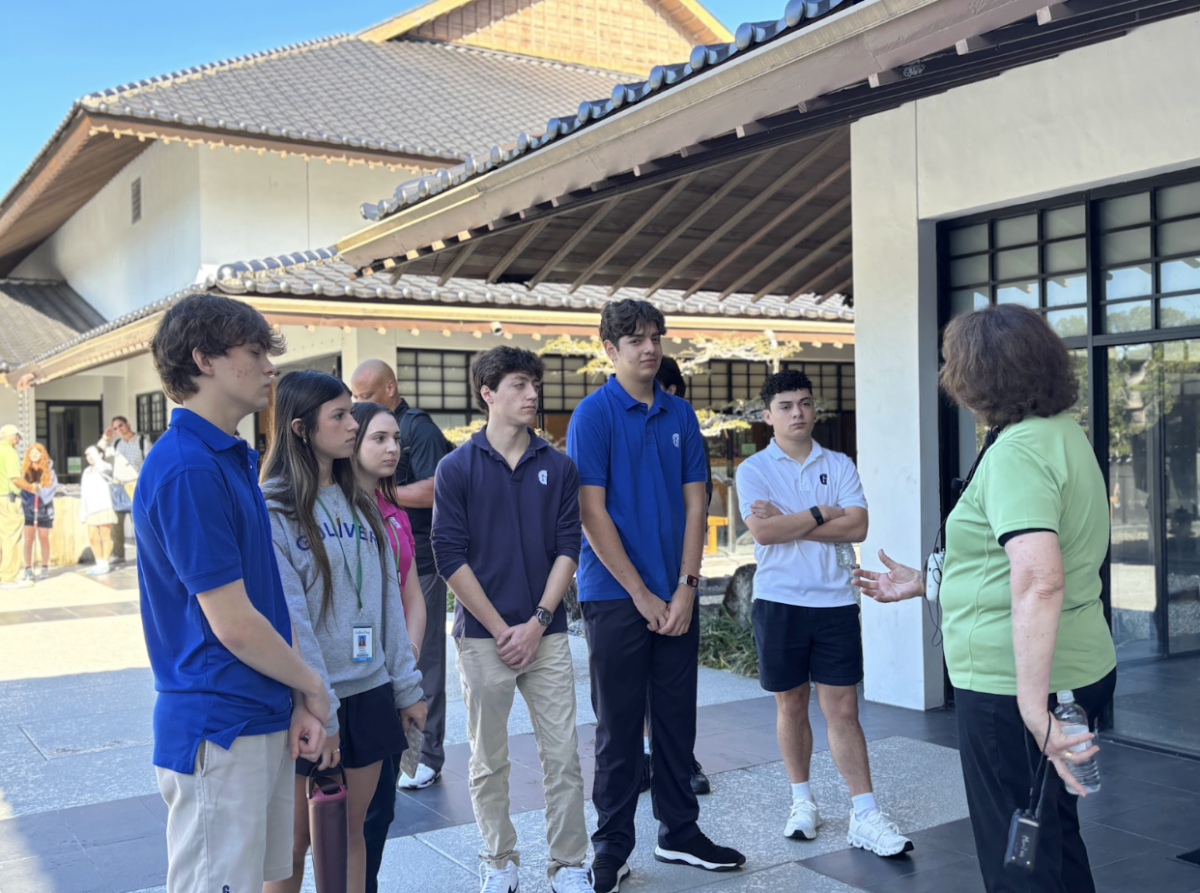
On Jan. 6, 2026, the Japanese department participated in a field trip to the Morikami Museum and Japanese Gardens, destinations that celebrate Japanese art, history, and culture. It not only features a museum but also traditional Japanese gardens that help further emphasize cultural themes of harmony, balance, and respect towards nature.
Chiho Cotton believes that creating a tangible experience for students is important in teaching them about Japanese culture, leaving a lasting impression that cannot be made within the boundaries of a classroom.
“Students learn about Japanese history, aesthetics, and values by walking through gardens inspired by different historical periods of Japan, observing traditional architecture, and listening to knowledgeable docents. The museum exhibits, combined with the gardens, help students understand how Japanese culture emphasizes harmony with nature, mindfulness, and respect for tradition. This immersive experience makes cultural learning more meaningful and memorable,” Upper School World Language teacher Chiho Cotton said.
The garden also highlighted beauty that spoke for itself, not with gaudy big decorations and attractions, but rather with unsuspecting details that can only be found during intricate exploration. This natural beauty can inspire students to make them more interested in Japan as a whole.
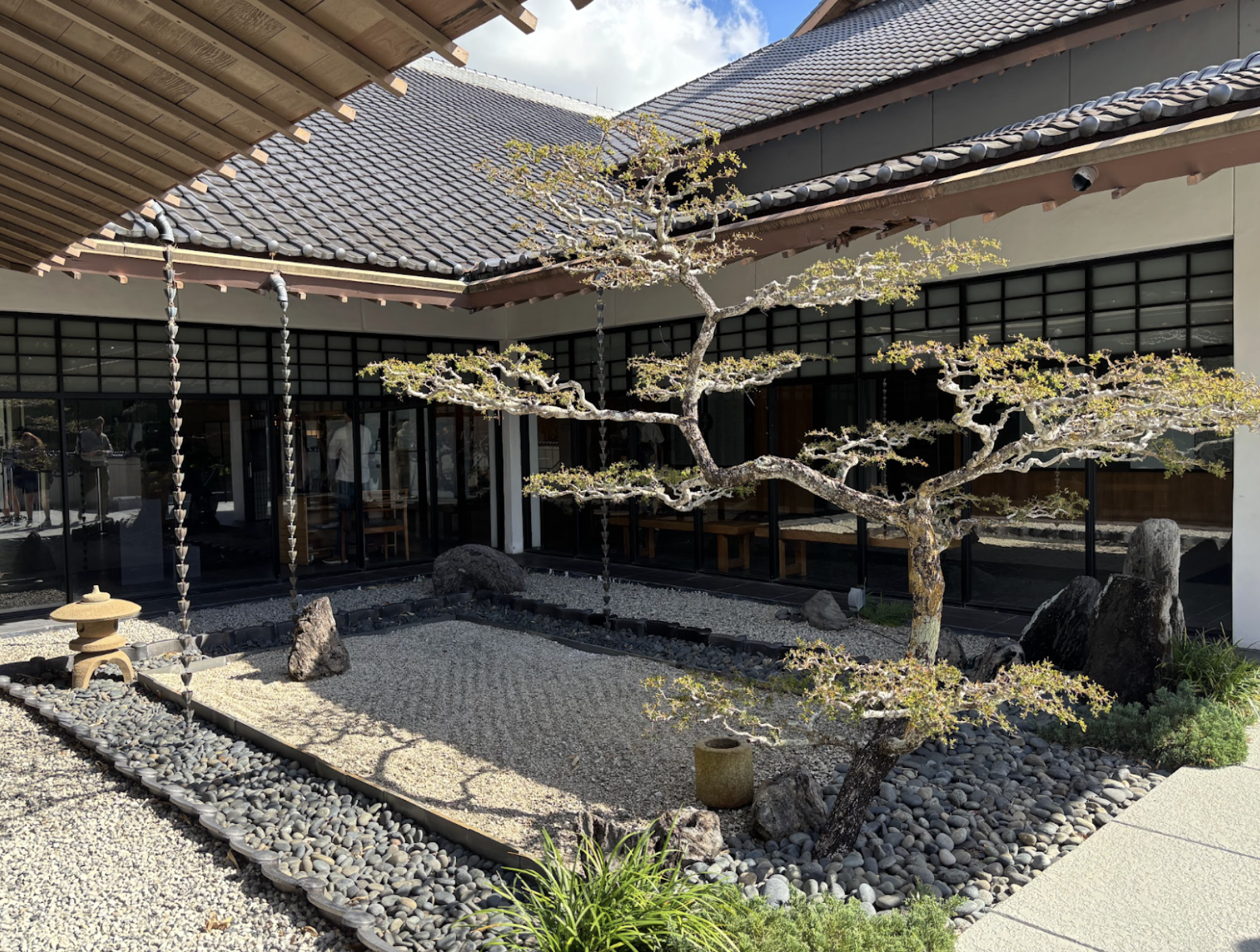
“The garden was beautiful, and I thought that every single detail in the garden was perfect … I was able to dive into Japanese culture a lot more, from the food to the sights. I genuinely want to visit Japan more and see what it has to offer,” junior Luis Garcia Brandt said.
The entire garden is designed with thoughtfulness and attention to detail; not one stone was left to chance or relegated to shoddy craftsmanship. This attention to detail is a favorite detail of many who attend the museum and does not go unnoticed.
“My favorite characteristic of the Morikami Museum and Japanese Gardens is the sense of peace and intentionality that pervades the space. Every garden, pathway, rock, and body of water has a purpose. As you walk through the gardens, you naturally slow down and become more aware of your surroundings. That sense of calm allows visitors, especially students, to disconnect from their busy daily lives and truly focus, reflect, and observe. It is not just a place to look at, but a place to experience,” Chiho Cottoni said.
Chiho Cotton hopes to continue taking students on this field trip and providing them with this beautiful experience in the future.