Raider Matters and Raider Impact Programs Build Character Beyond the Classroom


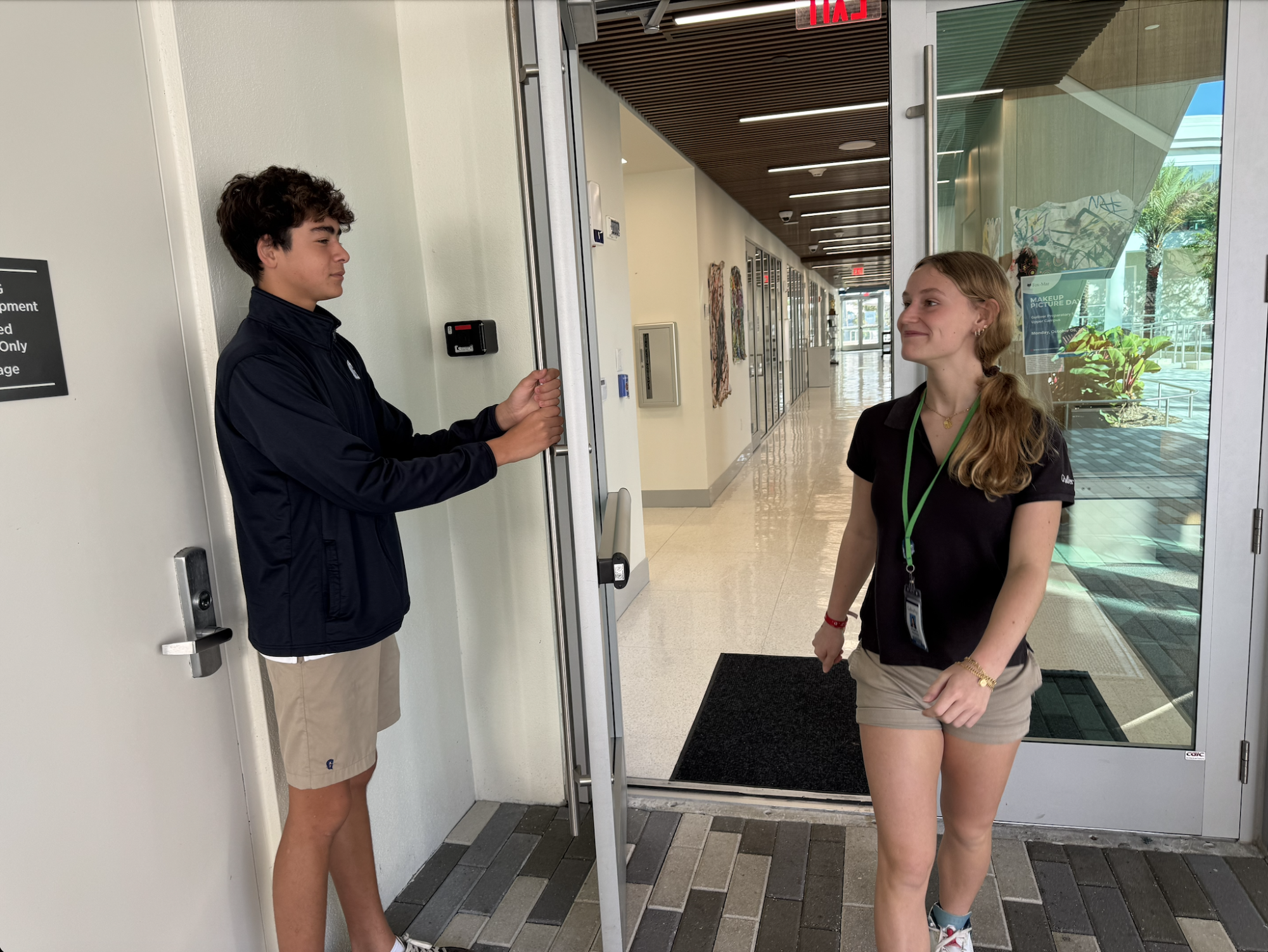
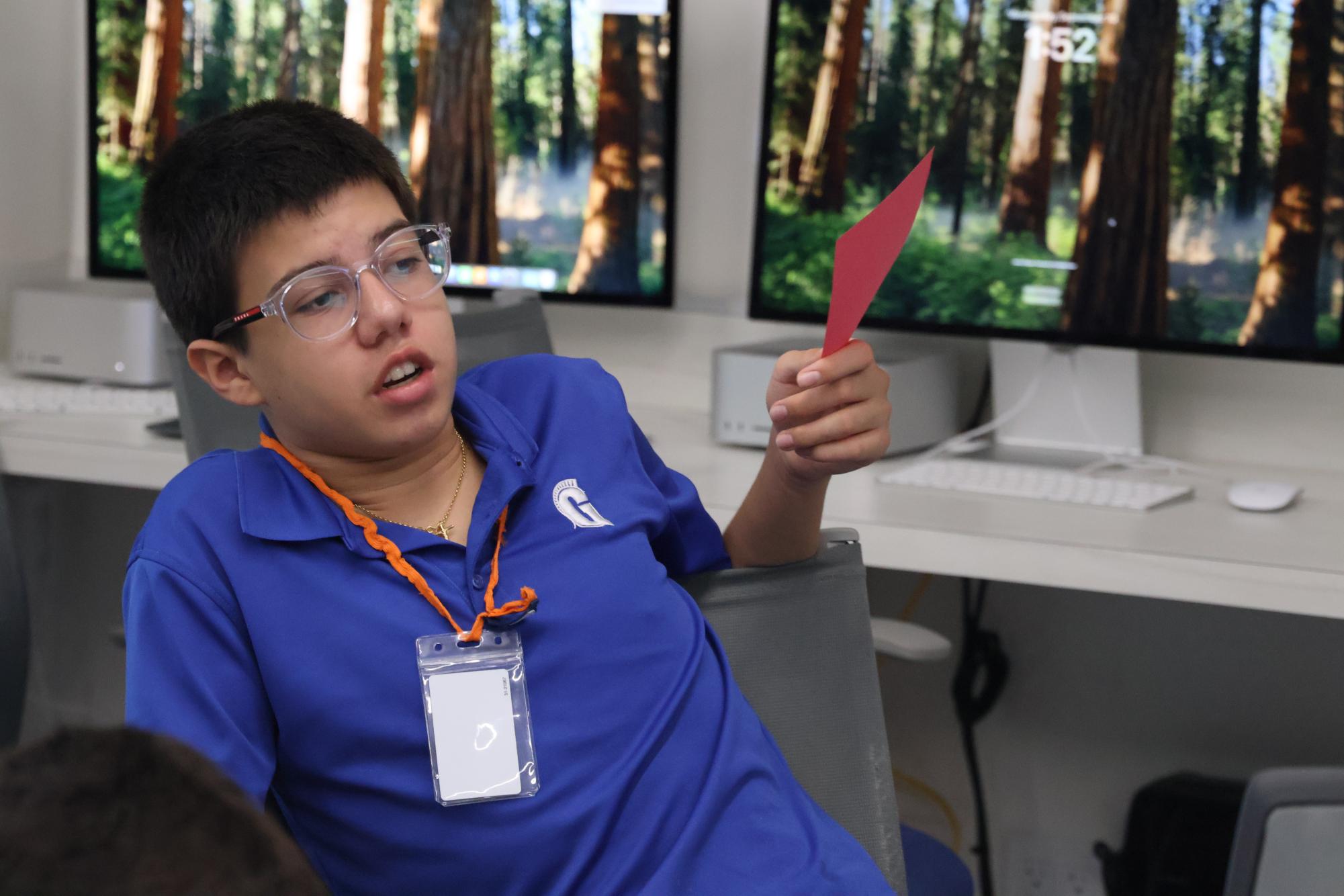
As digital echo chambers bind teenagers in self-reinforcing media silos, American educators and politicians contest whether morality can—and should—be taught in schools, and if so, whose values ought to prevail. The administration’s answer: the debut of Raider Matters and Raider Impact this fall, through Wednesday classes that focus on personal ethics for underclassmen and community service for upperclassmen, respectively.
“This is a college prep school. These programs are college prep—and, subsequently, life prep,” Dean of Student Life Tyrone Sandaal said.
The magnitude of the programs’ mission is clear to administrators, but the manner of implementation was long debated, having been in development for nearly one school year. That mirrors the nation’s ongoing struggle: according to Pew Research Center, two-thirds of K-12 parents say it’s extremely or very important to them that schools teach social and emotional skills, yet they remain deeply divided over what belongs in such a curriculum.
“Religiously affiliated schools have a much easier time teaching character because they can invoke God,” Upper School Principal Jonathan Schoenwald said. “We [a nonsectarian institution] don’t do that. But we [still] need to figure out how to actually teach students about having good character.”
Amid a social media landscape often criticized for homogeneity, administrators see Raider Matters and Raider Impact as an opportunity for students—to discuss, dispute, and even disagree.
“Most people see the world through a certain lens … made up of experiences from parents, religion, and certainly school,” Schoenwald said. “For most students, school is the most important place outside the home. Hopefully it gives students a chance to wrestle with questions of ethics and service—even when that’s not always pleasant.”
Sophomore Isabella Damas, in contrast, credits family dinners for shaping her sense of right and wrong, but she also sees the school as an essential partner in that work.
“While I believe in an equal distribution of moral teaching between the school and the home, I recognize that notion can be idealistic,” Damas said. “Some parents may struggle to instill these values in their children due to busy schedules, so the school must facilitate these conversations.”
The school’s emphasis on personal development through ethics and service-based learning reflects the vision of “opening the world wide for … students to learn boldly, act with great heart, and lead wisely,” according to the school’s homepage.
“We [the administration] know our students are going to be change-makers,” Sandaal said. “They’ll leave the school, attend prestigious colleges, and become leaders in their fields. So, preparing them to make ethical decisions in their studies, their professions, and their family lives is an important part of that preparation.”
Sandaal hopes Raider Matters and Raider Impact don’t just occupy Community Time on Wednesdays but shape how students see themselves, fostering self-actualization in many forms.
“Ultimately, I want students to say they grew,” Sandaal said. “If they’re underclassmen, it’s ‘I have a new perspective on at least one concept.’ If they’re upperclassmen, it’s ‘I’m very proud of the work we did.’”
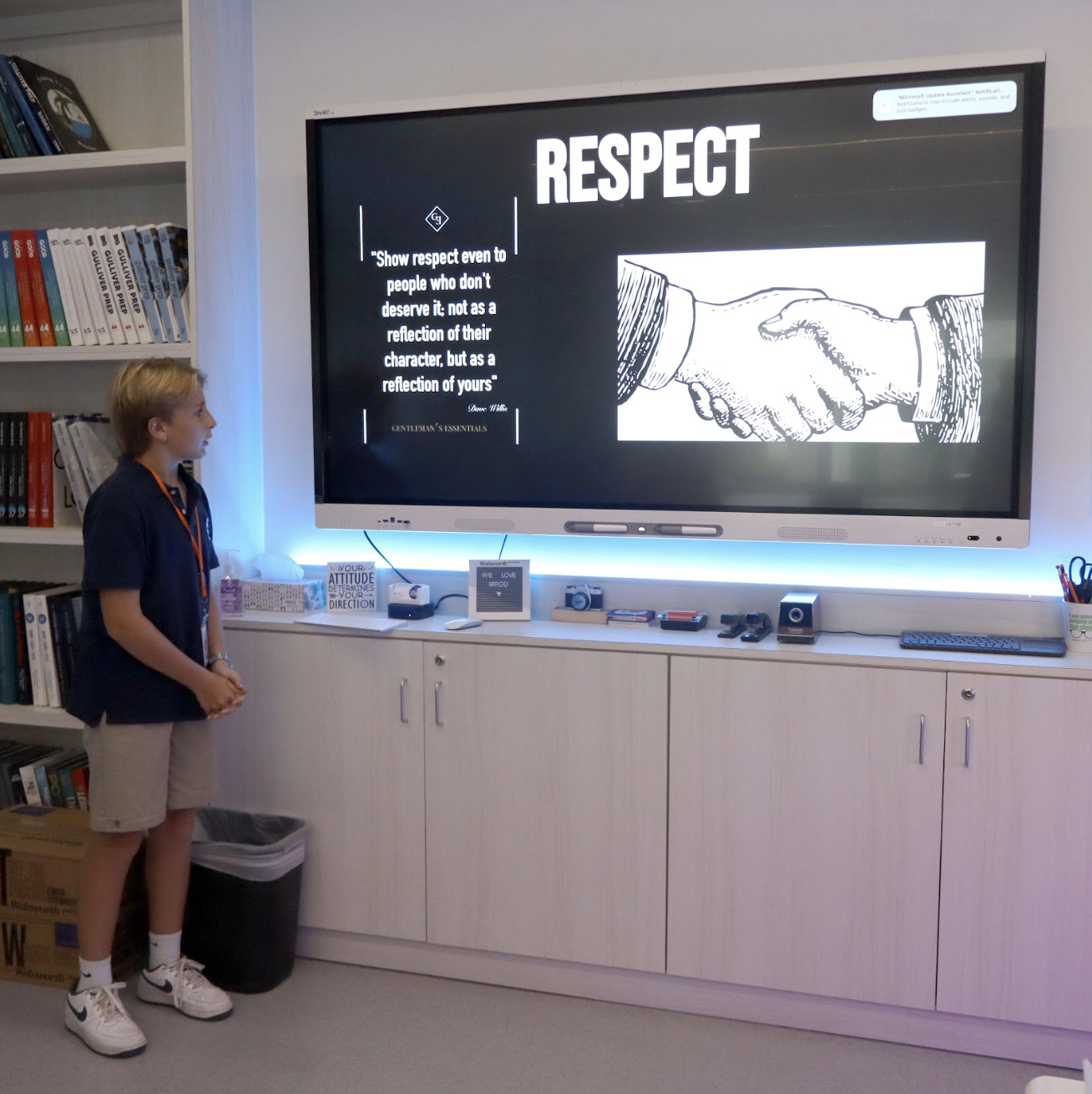
Freshmen and sophomores are now taking part in a newly instituted program called Raider Matters. The program was designed to help students focus on values such as honesty, integrity, respect, and kindness, intended to strengthen character education while giving students practical tools for high school and beyond.
Coach Federico Mor-Tatis, one of the staff members assigned to teach the program, said he has seen students engage with the lessons in meaningful ways.
“It’s a very personalized character-building project that the school put together,” Coach Mor-Tatis said.
Unlike traditional academic classes, Raider Matters revolves around students participating in conversations, group activities, and guided reflection, rather than note-taking, tests, and essays. The overall goal of the program is to instill positive decision-making in its students while building a stronger sense of community.
Freshman Sofia Caprio said she was surprised by how different the class felt compared to middle school advisory.
“At first, I thought it would just be like advisory in middle school, but it’s actually better because we learn a lot more about values,” Caprio said. “We were learning a lot about integrity, and I find myself using it now to help make the right decisions.”
Caprio added that the atmosphere in her class feels serious but could benefit from more interactive opportunities.
“Our teacher keeps everyone on track, and people give honest opinions,” Caprio said. “Some might not focus, but most people actually learn because it’s interesting.”
Sophomores, who are also taking the program for the first time, have found Raider Matters to be a different type of classroom experience. Ava Goldstein explained that the program feels more relaxed than her other courses.
“Even though it’s for a grade, it’s a lot more laid back. We’re still learning, but we get to be more social with our friends and just have a fun time,” Goldstein said.
Activities include role-playing scenarios or guided discussions, all aimed at helping students develop real-world skills. The program may not look like a traditional class, but teachers and students alike say it is creating meaningful conversations about character, responsibility, and community at Gulliver Prep.
After months of planning and task force discussions, juniors are beginning the year with Raider Impact, a new program that officially replaces advisory. The program emphasizes character development and service learning, giving students the opportunity for personal growth and carry out projects that connect to the broader community.
Dean of Student Life Tyrone Sandaal said the program grew out of long-standing conversations about character development even before the COVID-19 pandemic.
We’ve been talking about this for years,” Sandaal said. “When we looked at the schedule, it made sense to replace advisory with something that helps students grow into the best people they can be, both in college and beyond.”
In Raider Impact, students are grouped with teachers with common interests where they are guided through brainstorming and project planning. The projects are designed to address real problems in the community while helping students build empathy and leadership skills. After all, the Gulliver experience is not solely surrounded by academics.
Maria Eva Molina, who is leading a Raider Impact group, said she was drawn to the project because of her own background in service.
“I believe community service is a rewarding experience that all students should have,” Molina said. “So far, my group has explored their interests and worked collaboratively to begin shaping their projects; the main interest that has emerged is partnering with Best Buddies.”
Molina added that the value of Raider Impact extends far beyond the requirement to fulfill a certain number of community service hours.
“It allows students to apply what they learn in the classroom to real-life situations,” Molina said. “It helps them become compassionate, engaged citizens.”
Students have also begun to share their own ideas. Junior Sofia Saporta said her group is planning to develop an initiative to help students at the Ruth Owens Krusé Education Center with learning disabilities through the Be the Light club.
“I decided to pursue this project because it’s something I’m passionate about and already involved with through a club,” Saporta said.
Sandaal noted that the program is still evolving but sees it as an important step forward.
“We want students to realize that the more they look outward to help others, the more fulfilled they become themselves,” Sandaal said.
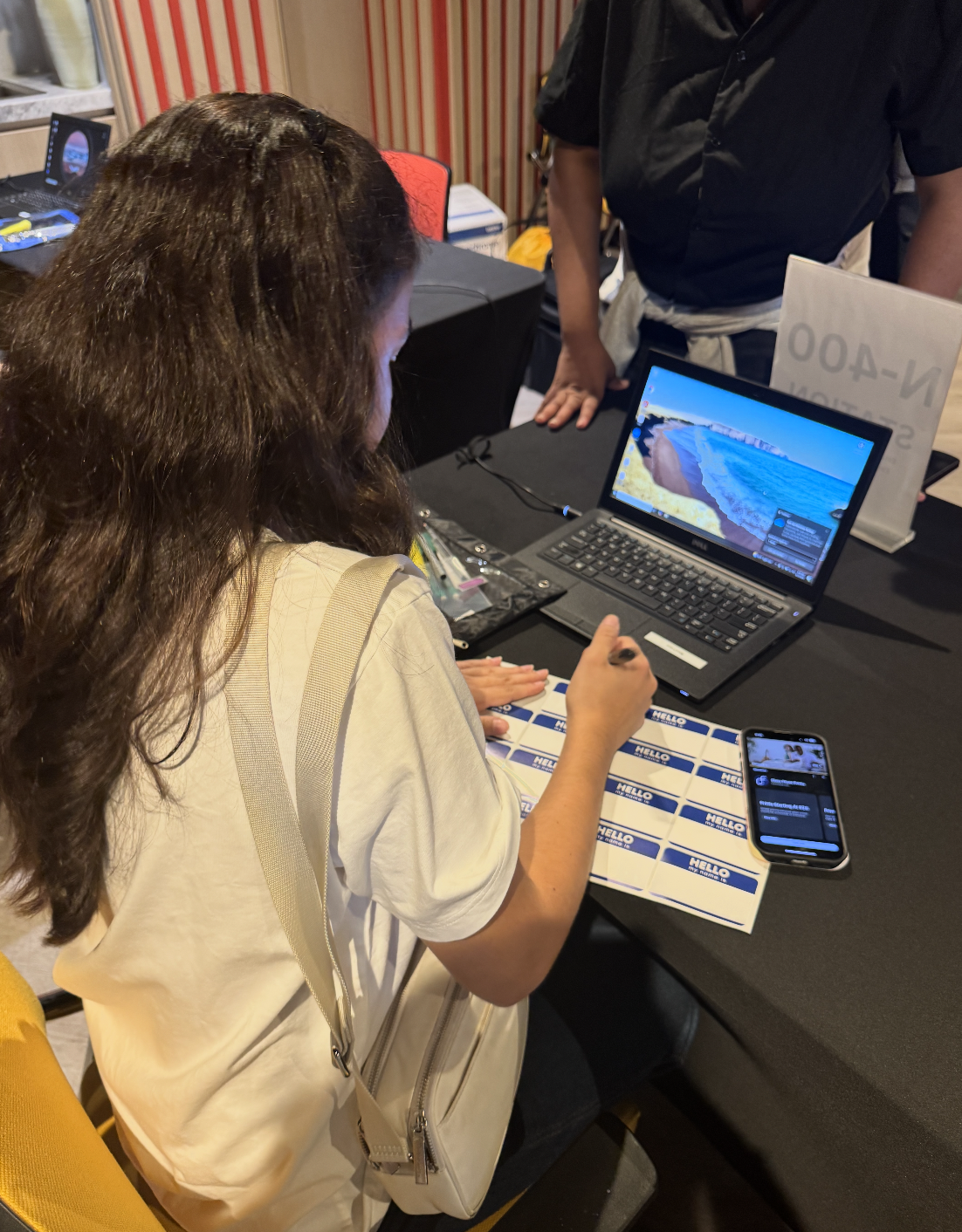
Junior Stella Cardoso and her partners, Victoria Tarrazzi and Elena Bueter, are working on a Raider Impact project dedicated to supporting immigrants in South Florida through the complex process of becoming U.S. citizens. The Florida Immigrant Coalition (FLIC) , an organization that advocated for immigrants rights statewide, welcomed the group as volunteers at one of its citizenship drives. The group assisted applicants in completing the N-400 form, a 30-page federal form required for naturalization.
With support from on site attorneys, Cardoso translated legal terms into Spanish for the applicants who did not speak English — an experience she described as stressful but meaningful. The group felt especially connected to the project because they come from immigrant families. That motivated them to give back a community they identify with, especially at a time when deportations are becoming more common. In the future, the group hopes to host a citizenship drive or a “Know Your Rights” event to continue supporting immigrant families.
“I was very glad to have made a difference in a person’s life by filling out that form and getting them a step closer to citizenship,” Cardoso said.
Throughout the project, Stella has strengthened her problem-solving and communication skills while learning the importance of helping someone through a long and difficult process. “I was very glad to have made a difference in a person’s life by filling out that form and getting them a step closer to citizenship,” Cardoso said.
Another Raider Impact group, led by Sadie Scheiner and Lennon Spektor, is expanding access to journalism by teaching an introductory media class at Breakthrough Miami. As journalism students, both felt compelled to share the skills they have gained in the newsroom with students who have limited opportunities to explore the field. Their lessons introduce participants to interviewing, article writing, and video production, culminating in a final project.
Their first session incorporated activities — such as the game telephone — to emphasize the importance of clear communication.
As they prepare for their next lesson, Scheiner and Spektor aim to guide students through selecting topics and brainstorming interviews and visuals for their projects. One of their main challenges has been designing lesson plans that are both educational and engaging, but the experience has ultimately been rewarding.
Through their dedication to this project, both students have improved their leadership skills by learning how to teach information that will have an impact on younger students.
“It makes me so happy to see other people enjoy a hobby I have and love so much,” Scheiner said.
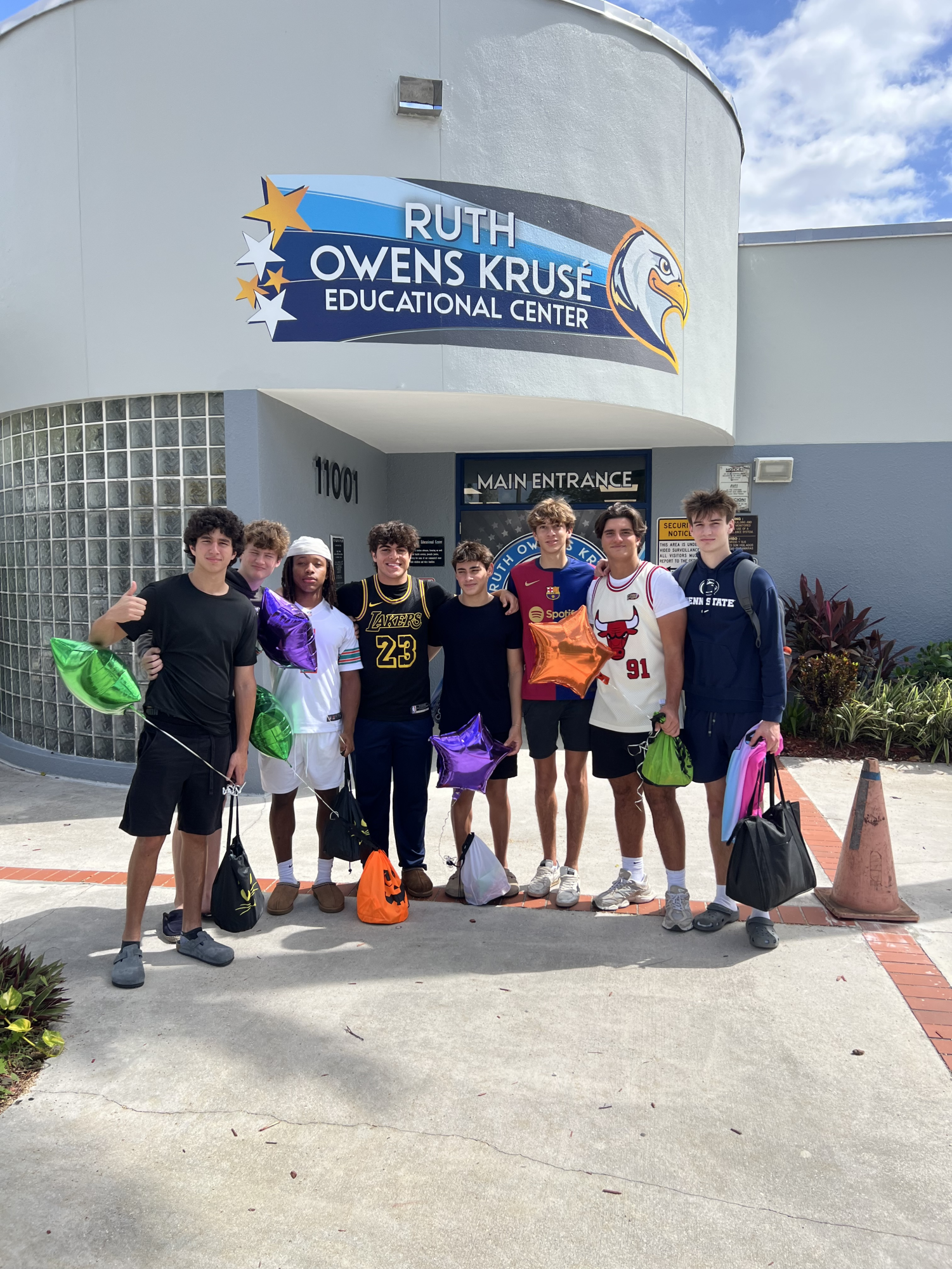
Meanwhile, junior Eli Levi and his classmates centered their Raider Impact project on mentoring students at the Ruth Owens Kruse Education Center, a Miami-Dade County Public School that provides educational and therapeutic service for children with emotional, behavioral and developmental needs in grades PK-12.
Eli’s group visited the center twice — once for Halloween and during Thanksgiving week — spending time with children through activities like Connect Four and foosball while building one-on-one connections. Levi said he was drawn to the project because of his desire to be part of a child’s support system.
“Raider Impact gives me an opportunity to help out the community, and I’m happy that the school implemented it into the schedule this year,” Levi said.