
Love Story: John F. Kennedy Jr. & Carolyn Bessette aims to retell one of America’s most iconic relationships, that of John F. Kennedy Jr. & Carolyn Bessette, but instead of only focusing on the romance, it dives deeper into the tension between public image and private reality. The series explores how public scrutiny strains even strong relationships and is visually compelling; however, it doesn’t fully hit the mark on execution.
From the beginning, the series presents John F. Kennedy Jr., played by Paul Anthony Kelly, as more than just a cultural symbol. While his status and lineage are those of the son of former United States President John. F Kennedy, contributes to the story, the series accentuates the pressures of continuously living in the public eye and living within his father’s legacy. He tries to forge his own identity — primarily through ventures like George, a political lifestyle magazine.
In contrast, Carolyn Bessette, played by Sarah Pidgeon is more emotionally complex. Her background working as a publicist for Calvin Klein shapes her it-girl, independent personality, contributing to her fear and discomfort with fame. Unlike John, Carolyn never sought the spotlight, and much of the series’ tension comes from that fundamental difference.
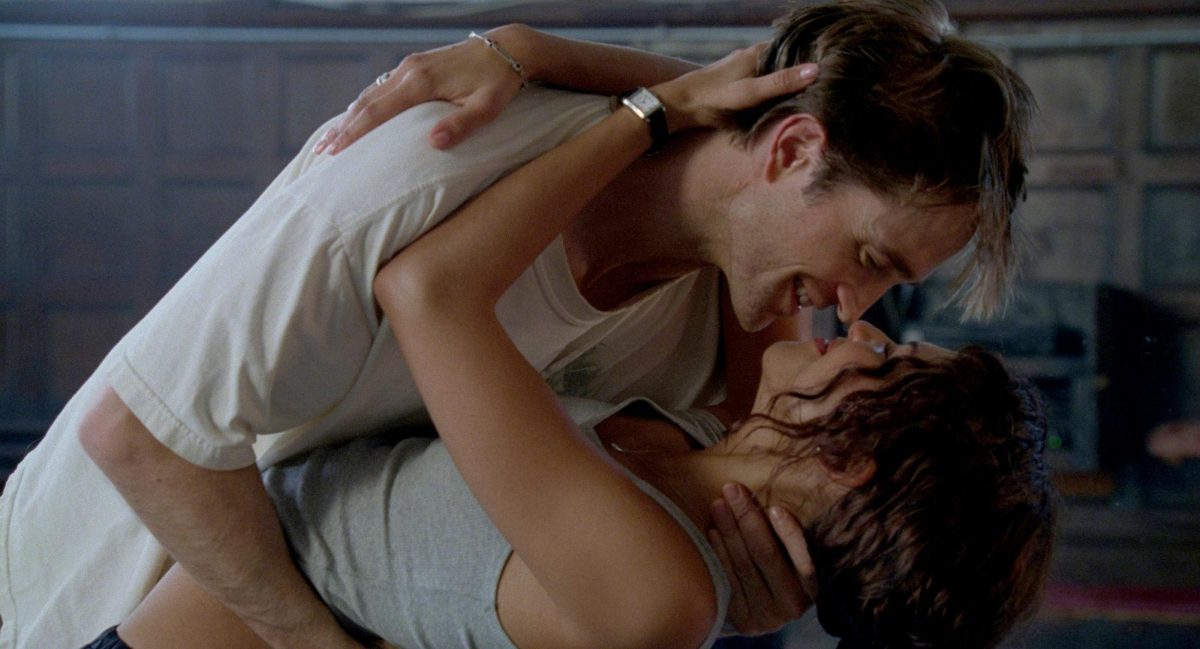
One of the show’s most noticeable weaknesses lies in its performances. Despite the story’s emotion, the acting often feels awkward — particularly in scenes meant to convey intimacy or conflict. The chemistry between the protagonists doesn’t always feel natural, making moments that should feel emotional instead feel forced, diminishing the sense of authenticity the series tries to evoke.
However, one of the most memorable moments in the series was the fight in the park in episode five, which exposes the growing strain on the couple’s relationship. The raw emotion and gestures from the leads really reinforce the show’s central theme between privacy and constant media attention, even with real-life paparazzi photos. Despite some of the moments of awkward interaction, this moment stands out as particularly touching since it captures the couple’s increasing frustration and distance that have been building throughout the series. This moment marks a clear turning point — where the relationship shifts from romanticized to delicate.
By episodes five to eight, the series begins to find its footing as the press’s constant attention becomes unavoidable. The paparazzi increasingly follow John and Carolyn, turning their everyday routine into a whole issue. Their disagreements become more frequent as Carolyn becomes more uncomfortable with her loss of privacy. The Kennedy’s are depicted as image-conscious, as they are accustomed to life in the public eye, which makes Carolyn feel like an outsider. What initially appeared to be a true “love story” gradually fades into a more realistic portrayal of love under constant scrutiny.
The series’ visual style is one of its strongest elements. Whether in Manhattan or coastal New England, its minimalist aesthetic and attention to detail make the tone nostalgic. Carolyn’s style struck me as it is so muted and classy with absolutely no brand names. Jacqueline Kennedy Onassis’ portrayal is also quite elegant, both in her fashion choices and quiet influence over John’s life.
Ultimately, by the end of episode eight, Love Story erases the illusion of a fairy tale, revealing a relationship scrutinized by constant media attention. It moves away from the glamour of America’s royalty to explore what it is to exist within the public eye. While the acting occasionally holds it back, the series offers an engaging portrayal of a high-profile relationship—one that continues to captivate audiences through its blend of romance, glamour, and, ultimately, tragedy.